


Manpower Myths: Separating Leadership Fact from Fiction
Date Submitted: 12/03/2024
Author: trienkhaiweb
In the world of business, the role of a manager is often shrouded in misconceptions. These “myths” can negatively distort perceptions of what it means to be a leader. If you’re considering a career path that involves managing people, it’s crucial to dispel these myths. Here we’ll dive into popular misconceptions about managers and unveil the realities behind this complex and demanding role.
Myth #1: Managers Always Earn the Most
While managers can earn competitive salaries, individual contributors can often bring home similar, if not higher, paychecks. Highly-skilled salespeople, creatives, and professionals in technical fields can easily out-earn managers, especially with commission or performance-based compensation structures. Ultimately, a manager’s earning potential depends on a multitude of factors, including industry, company size, and their overall impact on the organization. The keyword here is potential; manpower must be allocated wisely and inspired to reach its full capacity, and that’s the manager’s responsibility.

Myth #2: The Best Workers Become the Best Managers
It’s a common assumption that top performers naturally transition into excellent managers. However, the skill sets required for individual achievement and effective people management are vastly different. While technical expertise is valuable, strong managers must possess superb leadership, communication, and problem-solving skills. Promoting someone based solely on individual performance, without considering their managerial aptitude, can be a recipe for disaster. The focus must be on the ability to leverage the manpower at their disposal, not just their own individual talent.
Myth #3: Managers Have Endless Free Time
Some may see managers chatting or walking around, assuming their job is leisurely. This couldn’t be further from the truth. Though their work looks different, managers bear heavy responsibilities. They must manage projects, budgets, and crucially, the well-being and performance of their manpower. Behind the scenes, they dedicate long hours to planning, strategizing, and troubleshooting. Managers are vital for optimizing a team’s productivity, not simply adding another person to the workload.
Myth #4: Managers Master Every Task They Oversee
Expecting a manager to possess in-depth knowledge of every aspect of their team’s work is unrealistic. While understanding core concepts is essential, their primary role is to enable others to succeed. They need the acumen to identify the right manpower for specialized tasks and trust those individuals to excel. A wise manager focuses on providing resources, guidance, and fostering a productive environment for the team.

Myth #5: Securing a Management Position is Hard, Keeping It is Easy
Attaining a managerial position might seem like the biggest hurdle, but maintaining it is far more challenging. Consistent success as a manager demands adaptability, constant learning, and handling increasingly intricate issues. The responsibilities of a manager demand a continuous investment of time, energy, and a genuine desire to develop their own manpower resources.
Becoming a Great (and Informed) Manager
Understanding these misconceptions is essential for anyone striving to excel in a managerial role. A manager must be focused on leveraging their team’s talent, not only their own. Effective leadership prioritizes employee development, communication, and strategic use of their most valuable asset—their manpower.
If you’re looking to build a solid management career, focus on honing your ‘people’ skills. Remember, management isn’t about being the best at everything; it’s about empowering your team and maximizing the results that come from a well-directed, inspired manpower pool.
Related articles

Employee Empowerment with Quinn Vietnam Manpower
In today’s dynamic business landscape, organizations are increasingly recognizing the importance of employee empowerment as a key driver of success. Quinn Vietnam Manpower, a leading provider of manpower solutions in Vietnam, understands that empowered employees are more engaged, productive, and committed to organizational goals. This article delves into the concept of employee empowerment, exploring its…

Quinn Vietnam Manpower’s 5 Steps to Successful Coaching in 2025
In today’s dynamic business environment, maximizing your manpower’s potential is crucial for success. Effective coaching programs are key to unlocking this potential, fostering employee growth, and driving organizational performance. Quinn Vietnam Manpower, a leading provider of manpower solutions, presents a comprehensive guide to successful coaching in 2025. Whether you’re leading coaching sessions yourself or partnering…
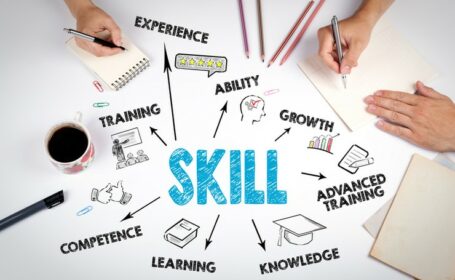
Functional Skills: A Guide for Quinn Vietnam Manpower’s Workforce in 2025
In today’s competitive job market, possessing strong functional skills is more critical than ever. For Quinn Vietnam Manpower, equipping our manpower resources with these essential skills is key to their success and the success of our partner businesses. This comprehensive guide explores the importance of functional skills, particularly in Math and English, and how Quinn…
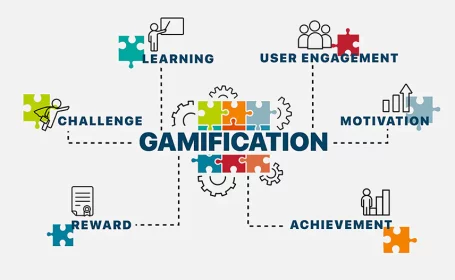
Level Up Your Workforce: Gamification Strategies for Quinn Vietnam Manpower
In the competitive landscape of Vietnam’s manpower industry, attracting, engaging, and retaining top talent is more critical than ever. Quinn Vietnam Manpower recognizes the power of innovative solutions, and gamification is emerging as a game-changer in the realm of human resources. By integrating game mechanics and elements into various HR processes, Quinn Vietnam Manpower can…

3 Communication Skills Every Manager Needs to Thrive
In today’s rapidly evolving business landscape, effective communication skills are more critical than ever for managers. Whether you’re a seasoned leader or newly promoted, honing your communication abilities can significantly impact your team’s performance, morale, and overall success. This article delves into three essential communication skills every manager needs to master in 2025 and highlights…

Harnessing the Power of Insights with Quinn Vietnam Manpower
In the dynamic landscape of 2025, where businesses face unprecedented challenges and opportunities, the ability to gain profound insights is more critical than ever. For project management (PM) in Vietnam, this rings especially true. Quinn Vietnam Manpower, a leading provider of manpower solutions, recognizes the crucial role of insights in driving project effectiveness and organizational…