


Manpower Pay Squeeze: Inflation Outpaces Wages, Threatening Economic and Social Fabric
Date Submitted: 22/01/2024
Author: trienkhaiweb
While nominal wage growth may appear healthy, it’s crucial to examine the real purchasing power of workers – and the picture isn’t rosy. Even with a 6% surge in employee compensation compared to last year, inflation has negated these gains. Workers are earning more, but their money won’t stretch as far, leaving them with diminished buying power. This deterioration of real wages has far-reaching implications for individuals, the broader economy, and the social fabric.
The erosion of real wages is a silent but dangerous trend chipping away at household finances. Necessities become luxuries, and this financial strain spills over into social anxieties. When money is tight, people withdraw from community life, sacrificing social connection due to economic hardship. This isn’t just about numbers; it’s about struggling families and the weakening of our shared social experiences.
This economic squeeze extends to entire communities. With less disposable income, consumers reduce spending, hurting local businesses that rely on their patronage. The vibrancy of society, fueled by interactions and shared experiences, diminishes when people are focused on simply making ends meet. This downward spiral jeopardizes the social cohesion and sense of belonging that are essential components of a thriving society.

Action Needed: Prioritizing Manpower Wage Growth & Social Well-being
This isn’t a temporary economic blip; it’s a widening gap with profound consequences. To reverse this trend and rebuild our social fabric, we need urgent action. Policies that prioritize wage growth for manpower across industries, provide a robust social safety net, and focus on reducing inequality are paramount. This isn’t simply an economic issue, it’s a moral one, demanding action for our collective future.
Minimum Wage Policies: A Success Story for Manpower
Amidst global volatility, Europe offers a promising example. Statutory minimum wage policies have safeguarded the purchasing power of countless workers, ensuring wages keep pace with inflation. It’s a floor that helps maintain stability. These policies empower manpower with the ability to afford necessities, contribute meaningfully to the economy, and maintain a sense of dignity, ultimately resulting in a stronger society for all.

Navigating 2024: Cautious Optimism for Manpower Wages
While real wages are still expected to decline in 2024, there are promising signs. Moderating inflation forecasts and profitability in some sectors suggest there’s room for a calculated increase in manpower wages. These increases must be implemented carefully to avoid a feedback loop where rising wages further fuel inflation. It’s a delicate balance that, if achieved, can bring about much-needed relief in households while maintaining a stable economy.
Key Takeaways
- The decline in real wages, fueled by out-of-control inflation, is a serious economic and social threat.
- Manpower-centric policies designed to increase wages and strengthen safety nets are essential to reverse this trend.
- Minimum wage policies have proven successful in protecting the purchasing power of workers and boosting economic resilience.
- While challenges remain, careful implementation of wage increases for manpower in 2024 may improve workers’ financial situation without reigniting inflation.
Related articles

Employee Empowerment with Quinn Vietnam Manpower
In today’s dynamic business landscape, organizations are increasingly recognizing the importance of employee empowerment as a key driver of success. Quinn Vietnam Manpower, a leading provider of manpower solutions in Vietnam, understands that empowered employees are more engaged, productive, and committed to organizational goals. This article delves into the concept of employee empowerment, exploring its…

Quinn Vietnam Manpower’s 5 Steps to Successful Coaching in 2025
In today’s dynamic business environment, maximizing your manpower’s potential is crucial for success. Effective coaching programs are key to unlocking this potential, fostering employee growth, and driving organizational performance. Quinn Vietnam Manpower, a leading provider of manpower solutions, presents a comprehensive guide to successful coaching in 2025. Whether you’re leading coaching sessions yourself or partnering…
Functional Skills: A Guide for Quinn Vietnam Manpower’s Workforce in 2025
In today’s competitive job market, possessing strong functional skills is more critical than ever. For Quinn Vietnam Manpower, equipping our manpower resources with these essential skills is key to their success and the success of our partner businesses. This comprehensive guide explores the importance of functional skills, particularly in Math and English, and how Quinn…
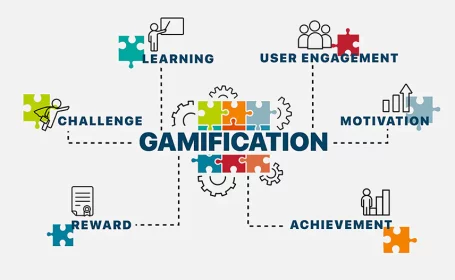
Level Up Your Workforce: Gamification Strategies for Quinn Vietnam Manpower
In the competitive landscape of Vietnam’s manpower industry, attracting, engaging, and retaining top talent is more critical than ever. Quinn Vietnam Manpower recognizes the power of innovative solutions, and gamification is emerging as a game-changer in the realm of human resources. By integrating game mechanics and elements into various HR processes, Quinn Vietnam Manpower can…

3 Communication Skills Every Manager Needs to Thrive
In today’s rapidly evolving business landscape, effective communication skills are more critical than ever for managers. Whether you’re a seasoned leader or newly promoted, honing your communication abilities can significantly impact your team’s performance, morale, and overall success. This article delves into three essential communication skills every manager needs to master in 2025 and highlights…

Harnessing the Power of Insights with Quinn Vietnam Manpower
In the dynamic landscape of 2025, where businesses face unprecedented challenges and opportunities, the ability to gain profound insights is more critical than ever. For project management (PM) in Vietnam, this rings especially true. Quinn Vietnam Manpower, a leading provider of manpower solutions, recognizes the crucial role of insights in driving project effectiveness and organizational…