


Quiet Quitting and Quiet Firing: A 2024 Perspective on the Changing Workforce Landscape
Date Submitted: 12/07/2024
Author: trienkhaiweb
The post-pandemic era has brought unprecedented shifts in the labor market, with “quiet quitting” and “quiet firing” emerging as prominent phenomena. Quinn Vietnam Manpower, a leader in international recruitment, recognizes the importance of understanding these trends and their far-reaching implications for both employers and employees.
What is Quiet Quitting?
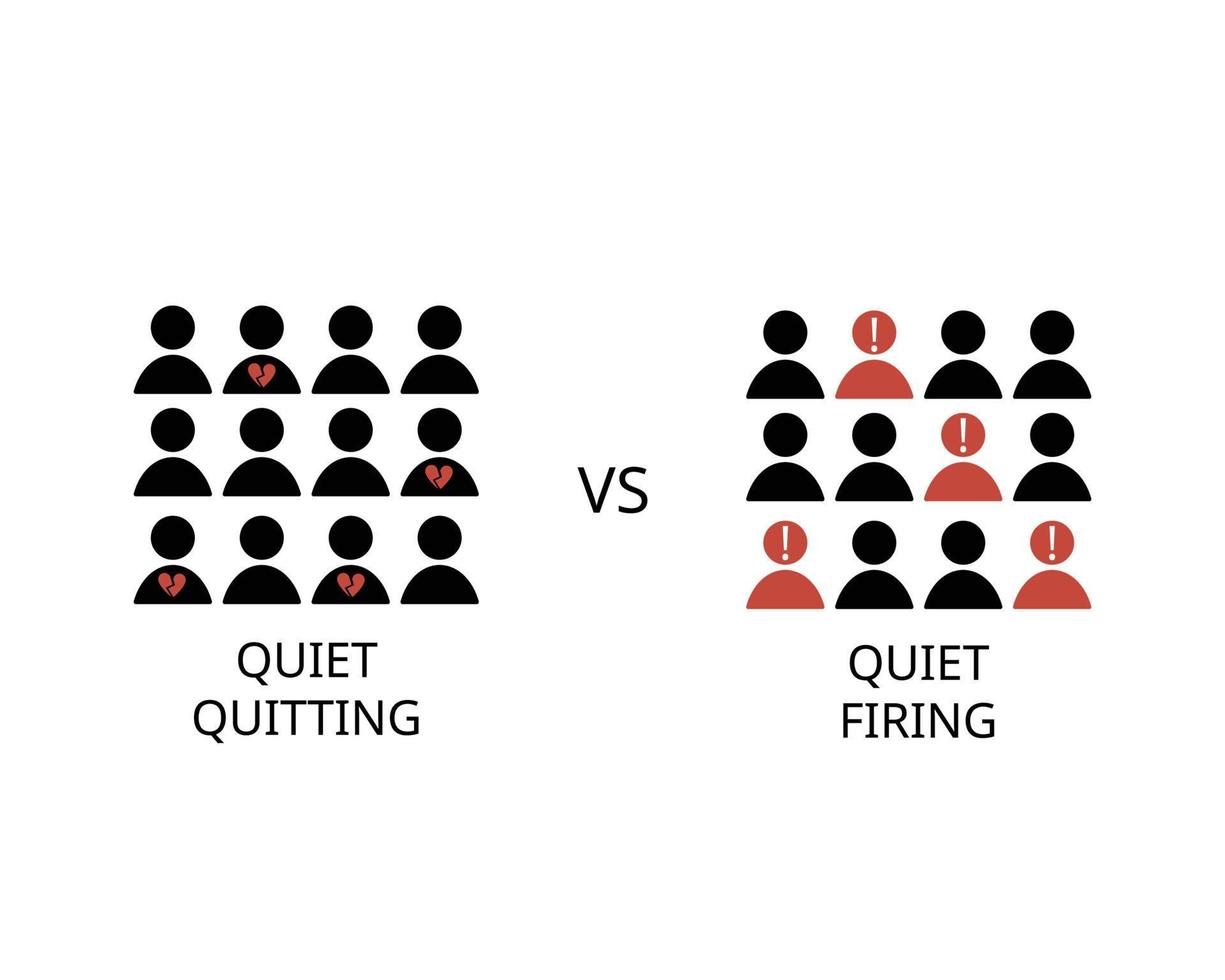
Quiet quitting is more than just working the bare minimum. It’s a mindset rooted in a growing global sentiment that questions the traditional “hustle culture.” Employees who quietly quit might still complete their tasks, but they disengage from going above and beyond. They may decline additional responsibilities, avoid overtime, and exhibit a general lack of enthusiasm.

The Factors Fueling Quiet Quitting
Several key factors are driving this trend:
- Wage Stagnation Amidst Rising Costs: The cost of living has increased significantly in many regions, yet wages haven’t always kept pace. This financial strain can lead to disillusionment and a feeling of being undervalued.
- Burnout and Lack of Work-Life Balance: The pandemic blurred the lines between work and personal life for many. The resulting burnout has prompted workers to reassess their priorities and seek a healthier balance.
- Disillusionment with Corporate Culture: A lack of clear career paths, toxic work environments, and a feeling of not being heard can all contribute to quiet quitting.
Quiet Quitting: A Red Flag for Employers
While quiet quitting may seem harmless at first, it can have a significant impact on productivity and morale. When employees are disengaged, innovation suffers, and turnover rates can increase. Quinn Vietnam Manpower advises companies to be proactive in addressing the root causes of quiet quitting by fostering a supportive culture, offering competitive compensation, and providing opportunities for growth.
Quiet Firing: A Counterproductive Response
Quiet firing is the employer’s counterpart to quiet quitting. It involves making an employee’s work life miserable in the hopes they will leave voluntarily. This might include excluding them from projects, giving them menial tasks, or denying them opportunities for advancement.
Quinn Vietnam Manpower firmly believes that quiet firing is not a solution. It breeds resentment, damages company reputation, and leads to a loss of valuable talent.
How Does Quiet Quitting and Quiet Firing Impact the Labor Market?
These trends are reshaping the labor landscape:
- Increased Turnover: Both quiet quitting and quiet firing contribute to higher turnover rates, which can be costly and disruptive for businesses.
- Talent Shortages: As workers seek more fulfilling opportunities, companies may struggle to attract and retain skilled manpower.
- Shift in Power Dynamics: The rise of quiet quitting gives employees more leverage to negotiate for better conditions, benefits, and work arrangements.
Quinn Vietnam Manpower: Navigating the New Workforce
Quinn Vietnam Manpower is committed to helping businesses adapt to these evolving dynamics. Our expertise in manpower recruitment and workforce solutions enables us to connect employers with highly motivated individuals who are seeking meaningful work. By prioritizing transparency, open communication, and a focus on employee well-being, we help create work environments that foster engagement and reduce the risk of quiet quitting.
Related articles

Employee Empowerment with Quinn Vietnam Manpower
In today’s dynamic business landscape, organizations are increasingly recognizing the importance of employee empowerment as a key driver of success. Quinn Vietnam Manpower, a leading provider of manpower solutions in Vietnam, understands that empowered employees are more engaged, productive, and committed to organizational goals. This article delves into the concept of employee empowerment, exploring its…

Quinn Vietnam Manpower’s 5 Steps to Successful Coaching in 2025
In today’s dynamic business environment, maximizing your manpower’s potential is crucial for success. Effective coaching programs are key to unlocking this potential, fostering employee growth, and driving organizational performance. Quinn Vietnam Manpower, a leading provider of manpower solutions, presents a comprehensive guide to successful coaching in 2025. Whether you’re leading coaching sessions yourself or partnering…

Functional Skills: A Guide for Quinn Vietnam Manpower’s Workforce in 2025
In today’s competitive job market, possessing strong functional skills is more critical than ever. For Quinn Vietnam Manpower, equipping our manpower resources with these essential skills is key to their success and the success of our partner businesses. This comprehensive guide explores the importance of functional skills, particularly in Math and English, and how Quinn…
Level Up Your Workforce: Gamification Strategies for Quinn Vietnam Manpower
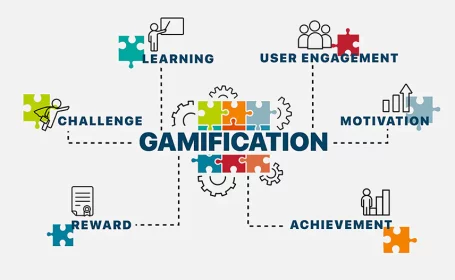
In the competitive landscape of Vietnam’s manpower industry, attracting, engaging, and retaining top talent is more critical than ever. Quinn Vietnam Manpower recognizes the power of innovative solutions, and gamification is emerging as a game-changer in the realm of human resources. By integrating game mechanics and elements into various HR processes, Quinn Vietnam Manpower can…

3 Communication Skills Every Manager Needs to Thrive
In today’s rapidly evolving business landscape, effective communication skills are more critical than ever for managers. Whether you’re a seasoned leader or newly promoted, honing your communication abilities can significantly impact your team’s performance, morale, and overall success. This article delves into three essential communication skills every manager needs to master in 2025 and highlights…

Harnessing the Power of Insights with Quinn Vietnam Manpower
In the dynamic landscape of 2025, where businesses face unprecedented challenges and opportunities, the ability to gain profound insights is more critical than ever. For project management (PM) in Vietnam, this rings especially true. Quinn Vietnam Manpower, a leading provider of manpower solutions, recognizes the crucial role of insights in driving project effectiveness and organizational…