

Understanding WACC: A Key Metric for Manpower Recruitment and Workforce Optimization in Vietnam
Date Submitted: 04/05/2024
Author: trienkhaiweb
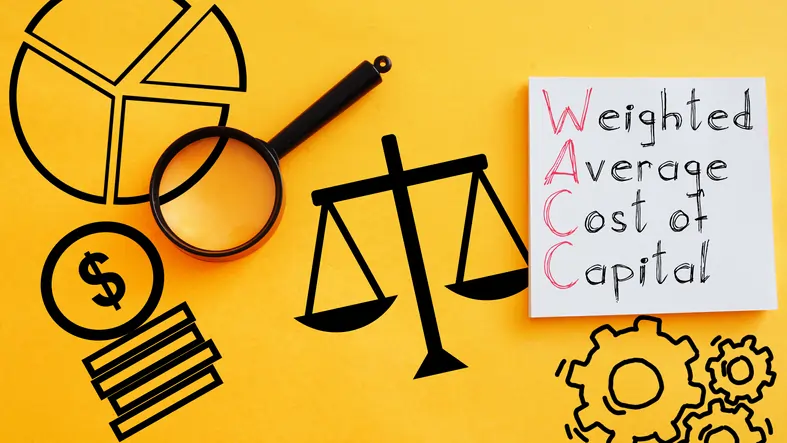
In the dynamic landscape of workforce solutions and manpower recruitment, businesses in Vietnam, like Quinn Vietnam Manpower, need a keen understanding of financial metrics to make informed decisions. One such critical metric is the Weighted Average Cost of Capital (WACC). This article delves into what WACC is, its significance for manpower-focused businesses, how it’s calculated, and what constitutes a “good” WACC.

What is WACC?
WACC is a financial ratio that represents the average rate a company expects to pay to finance its assets. It is essentially a blend of the cost of equity (funds raised through selling shares) and the cost of debt (funds raised through borrowing). This figure is often expressed as a percentage and signifies the minimum return a company must earn on existing assets to satisfy its investors and creditors.
For a manpower recruitment firm like Quinn Vietnam Manpower, understanding WACC is crucial. It influences decisions related to:
- Recruitment Investments: Whether to invest in attracting high-demand talent, which might require higher initial costs but could yield long-term returns.
- Expansion: Evaluating the financial feasibility of opening new branches or venturing into new manpower sectors.
- Workforce Training: Determining the budget allocated for upskilling and training programs to enhance the value of the manpower pool.
Why is WACC Important for Manpower Businesses?
WACC serves as a barometer of a company’s financial risk. A lower WACC generally indicates a less risky investment, making the company more appealing to potential investors and partners.
For Quinn Vietnam Manpower, a favorable WACC can:
- Attract Investors: Demonstrate financial stability and growth potential, making the company a more attractive investment opportunity.
- Secure Loans: Improve the terms of borrowing, as lenders often view lower WACC companies as less risky.
- Enhance Reputation: Bolster the company’s image in the competitive manpower market, attracting both clients seeking workforce solutions and top talent seeking employment opportunities.
How is WACC Calculated?
The WACC formula is:
WACC = (E/V * Ke) + (D/V * Kd * (1-Tc))
Where:
- E: Market value of equity
- D: Market value of debt
- V: Total value of the company (E + D)
- Ke: Cost of equity
- Kd: Cost of debt
- Tc: Corporate tax rate
Let’s illustrate with a simplified example:
Assume Quinn Vietnam Manpower has a capital structure comprising 60% equity and 40% debt. The cost of equity is 15%, the cost of debt is 8%, and the corporate tax rate is 20%.
The WACC would be: (0.60 * 0.15) + (0.40 * 0.08 * (1-0.20)) = 11.6%

What is a Good WACC for Manpower Companies in Vietnam?
There’s no one-size-fits-all “good” WACC. It varies depending on industry, company size, and economic conditions. However, for manpower recruitment firms in Vietnam, a WACC between 10% and 15% is often considered reasonable.
Quinn Vietnam Manpower should benchmark its WACC against similar companies in the industry to assess its competitiveness. Regular monitoring and adjustments to the capital structure can help maintain a healthy WACC and support sustainable growth.
Optimizing WACC for Quinn Vietnam Manpower
To optimize WACC and strengthen its financial position, Quinn Vietnam Manpower can consider:
- Diversifying Funding Sources: Explore a mix of equity and debt financing to find the optimal balance for its specific risk profile.
- Debt Refinancing: Seek lower interest rates on existing debt to reduce the cost of debt component of WACC.
- Improving Profitability: Increase earnings to boost the equity value, thereby lowering the cost of equity.
Conclusion
Understanding and strategically managing WACC is a vital tool for manpower recruitment firms like Quinn Vietnam Manpower to thrive in the competitive Vietnamese market. By optimizing this metric, the company can attract investors, secure favorable financing, and ultimately enhance its workforce solutions to meet the evolving demands of clients and talent alike.
Related articles

Employee Empowerment with Quinn Vietnam Manpower
In today’s dynamic business landscape, organizations are increasingly recognizing the importance of employee empowerment as a key driver of success. Quinn Vietnam Manpower, a leading provider of manpower solutions in Vietnam, understands that empowered employees are more engaged, productive, and committed to organizational goals. This article delves into the concept of employee empowerment, exploring its…

Quinn Vietnam Manpower’s 5 Steps to Successful Coaching in 2025
In today’s dynamic business environment, maximizing your manpower’s potential is crucial for success. Effective coaching programs are key to unlocking this potential, fostering employee growth, and driving organizational performance. Quinn Vietnam Manpower, a leading provider of manpower solutions, presents a comprehensive guide to successful coaching in 2025. Whether you’re leading coaching sessions yourself or partnering…

Functional Skills: A Guide for Quinn Vietnam Manpower’s Workforce in 2025
In today’s competitive job market, possessing strong functional skills is more critical than ever. For Quinn Vietnam Manpower, equipping our manpower resources with these essential skills is key to their success and the success of our partner businesses. This comprehensive guide explores the importance of functional skills, particularly in Math and English, and how Quinn…
Level Up Your Workforce: Gamification Strategies for Quinn Vietnam Manpower
In the competitive landscape of Vietnam’s manpower industry, attracting, engaging, and retaining top talent is more critical than ever. Quinn Vietnam Manpower recognizes the power of innovative solutions, and gamification is emerging as a game-changer in the realm of human resources. By integrating game mechanics and elements into various HR processes, Quinn Vietnam Manpower can…

3 Communication Skills Every Manager Needs to Thrive
In today’s rapidly evolving business landscape, effective communication skills are more critical than ever for managers. Whether you’re a seasoned leader or newly promoted, honing your communication abilities can significantly impact your team’s performance, morale, and overall success. This article delves into three essential communication skills every manager needs to master in 2025 and highlights…

Harnessing the Power of Insights with Quinn Vietnam Manpower
In the dynamic landscape of 2025, where businesses face unprecedented challenges and opportunities, the ability to gain profound insights is more critical than ever. For project management (PM) in Vietnam, this rings especially true. Quinn Vietnam Manpower, a leading provider of manpower solutions, recognizes the crucial role of insights in driving project effectiveness and organizational…