


Forget Fancy Degrees! What Employers Really Want in Their Manpower
Date Submitted: 09/01/2024
Author: trienkhaiweb
Traditional interviews held within the confines of an office reveal only a fraction of a candidate’s personality and potential. That’s why some forward-thinking companies are breaking the mold by conducting interviews over meals. This unconventional approach allows employers to get a better sense of an applicant’s full character, communication skills, and interpersonal finesse (or lack thereof!).
Decoding the Mealtime Interview: What Employers Look For
A mealtime interview provides recruiters with a unique window into a candidate’s:
- Social graces: Do they interact politely and respectfully with restaurant staff?
- Situational awareness: How do they handle unexpected situations or distractions?
- Conversational Skills: Are they able to engage in discussions or do they retreat into isolation?
These subtle cues, often masked in formal interviews, give employers valuable insights into a candidate’s potential fit with the company’s culture and expectations of their manpower.

Beyond the Resume: Key Traits Recruiters Seek
While credentials and experience matter, modern employers are increasingly prioritizing these qualities in their search for the ideal manpower:
- Smarts and a Thirst for Knowledge: Employers don’t just want book smarts; they value candidates who show intellectual curiosity, read widely, and are always eager to learn and grow.
- Initiative and Proactiveness: Recruiters are impressed by applicants who research their company before the interview and aren’t afraid to share insights, ask questions, and even respectfully suggest areas for improvement.
- Resilience and Work Ethic: Every business needs manpower that’s willing to roll up their sleeves and go the extra mile, even when that means late nights or occasional weekend work. Of course, such dedication should be compensated fairly and acknowledged.
- Passion and Enthusiasm: Companies want manpower that’s genuinely excited about the work and sees the position as an opportunity for growth and fulfillment – not a place to simply endure the daily grind.

The Fine Print: It’s Not Just About Skills
In a competitive job market, technical skills can be taught, but attitude and personality are much harder to mold. That’s why recruiters are on the lookout for these additional attributes:
- Team Spirit: Ideal candidates are not only capable but are also willing to collaborate, support colleagues, and prioritize team success.
- Positive Disposition: Companies thrive on a culture of optimism and problem-solving.
- Adaptability: The world of work is constantly evolving, and employers need manpower who can embrace change and roll with the punches.
A Word to Potential Candidates: Do Your Homework
If you’re lucky enough to land a mealtime interview, make the most of it. Show up prepared with knowledge about the company and be armed with thoughtful questions that show your sincere interest. And remember, while showcasing your professional side is important, let your personality shine through. Companies want to find talented manpower, but they’re also ultimately investing in people.

In Conclusion
While interviews over coffee or lunch might seem unconventional, they reflect changing recruitment strategies. Employers understand that success hinges not just on skills listed on a resume, but on a candidate’s overall character, attitude, and potential fit with company culture. By demonstrating the traits outlined above, you’ll significantly increase your chances of securing a job where you can truly thrive as a valued member of the manpower.
Related articles

Employee Empowerment with Quinn Vietnam Manpower
In today’s dynamic business landscape, organizations are increasingly recognizing the importance of employee empowerment as a key driver of success. Quinn Vietnam Manpower, a leading provider of manpower solutions in Vietnam, understands that empowered employees are more engaged, productive, and committed to organizational goals. This article delves into the concept of employee empowerment, exploring its…

Quinn Vietnam Manpower’s 5 Steps to Successful Coaching in 2025
In today’s dynamic business environment, maximizing your manpower’s potential is crucial for success. Effective coaching programs are key to unlocking this potential, fostering employee growth, and driving organizational performance. Quinn Vietnam Manpower, a leading provider of manpower solutions, presents a comprehensive guide to successful coaching in 2025. Whether you’re leading coaching sessions yourself or partnering…
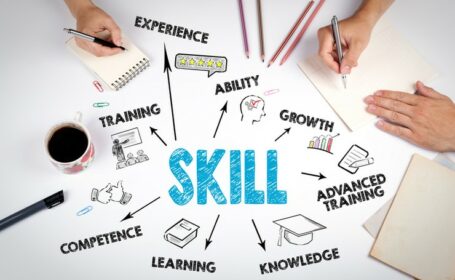
Functional Skills: A Guide for Quinn Vietnam Manpower’s Workforce in 2025
In today’s competitive job market, possessing strong functional skills is more critical than ever. For Quinn Vietnam Manpower, equipping our manpower resources with these essential skills is key to their success and the success of our partner businesses. This comprehensive guide explores the importance of functional skills, particularly in Math and English, and how Quinn…
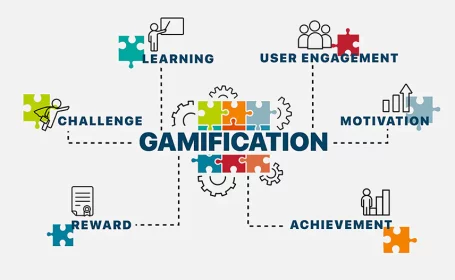
Level Up Your Workforce: Gamification Strategies for Quinn Vietnam Manpower
In the competitive landscape of Vietnam’s manpower industry, attracting, engaging, and retaining top talent is more critical than ever. Quinn Vietnam Manpower recognizes the power of innovative solutions, and gamification is emerging as a game-changer in the realm of human resources. By integrating game mechanics and elements into various HR processes, Quinn Vietnam Manpower can…

3 Communication Skills Every Manager Needs to Thrive
In today’s rapidly evolving business landscape, effective communication skills are more critical than ever for managers. Whether you’re a seasoned leader or newly promoted, honing your communication abilities can significantly impact your team’s performance, morale, and overall success. This article delves into three essential communication skills every manager needs to master in 2025 and highlights…

Harnessing the Power of Insights with Quinn Vietnam Manpower
In the dynamic landscape of 2025, where businesses face unprecedented challenges and opportunities, the ability to gain profound insights is more critical than ever. For project management (PM) in Vietnam, this rings especially true. Quinn Vietnam Manpower, a leading provider of manpower solutions, recognizes the crucial role of insights in driving project effectiveness and organizational…