

South Korea’s Urgent Need for Food Processing Manpower: Labor Importing Solutions
South Korea, an economic powerhouse with a thriving food industry, is facing a critical shortage of manpower in its food processing factories. With a rapidly aging population and changing workforce demographics, the country is increasingly turning to foreign labor to fill this urgent need. This article explores the vital role of food processing workers, the challenges facing the sector, and how labor importing offers a potential solution.
The Essential Backbone of Food Production
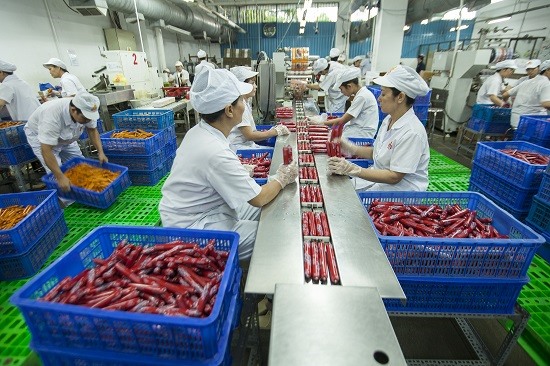
Food processing factory workers form the backbone of South Korea’s robust food industry. They are involved in various stages of transforming raw agricultural products into the diverse and enticing food items that line supermarket shelves and grace restaurant tables. These hardworking individuals perform tasks that include:
- Cleaning and sorting: Ensuring raw ingredients are free from contaminants and of the highest quality.
- Cutting and processing: Skillfully preparing and transforming ingredients into usable forms.
- Packaging and labeling: Getting products ready for consumers.
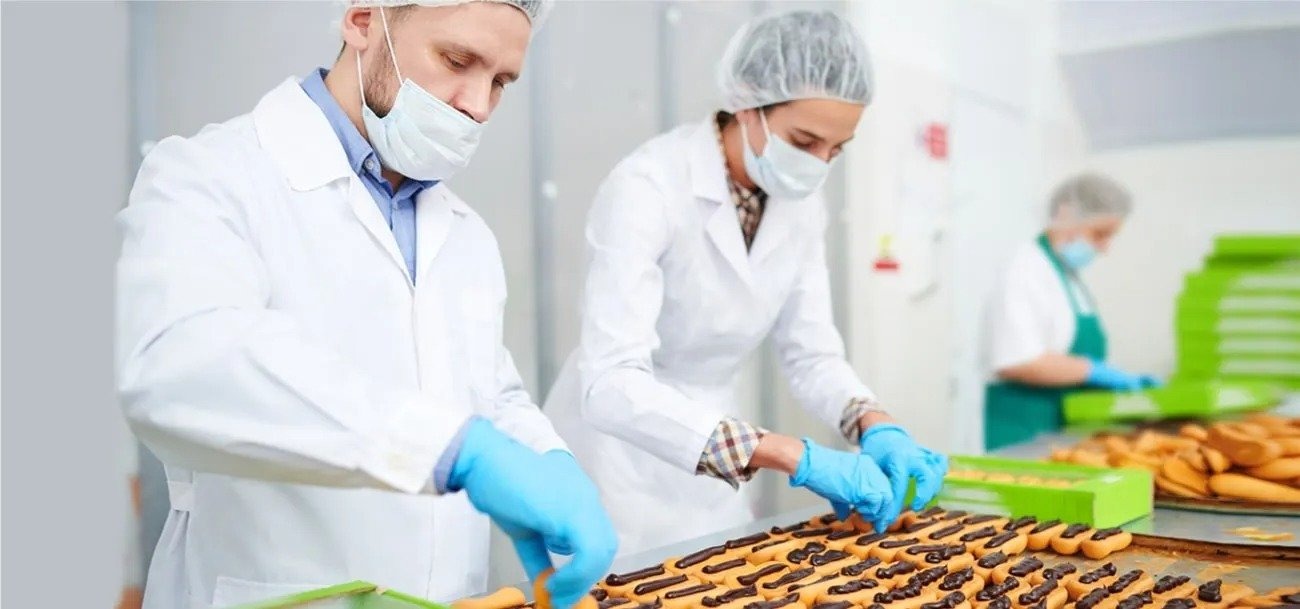
- Quality control: Adhering to strict safety and cleanliness standards.
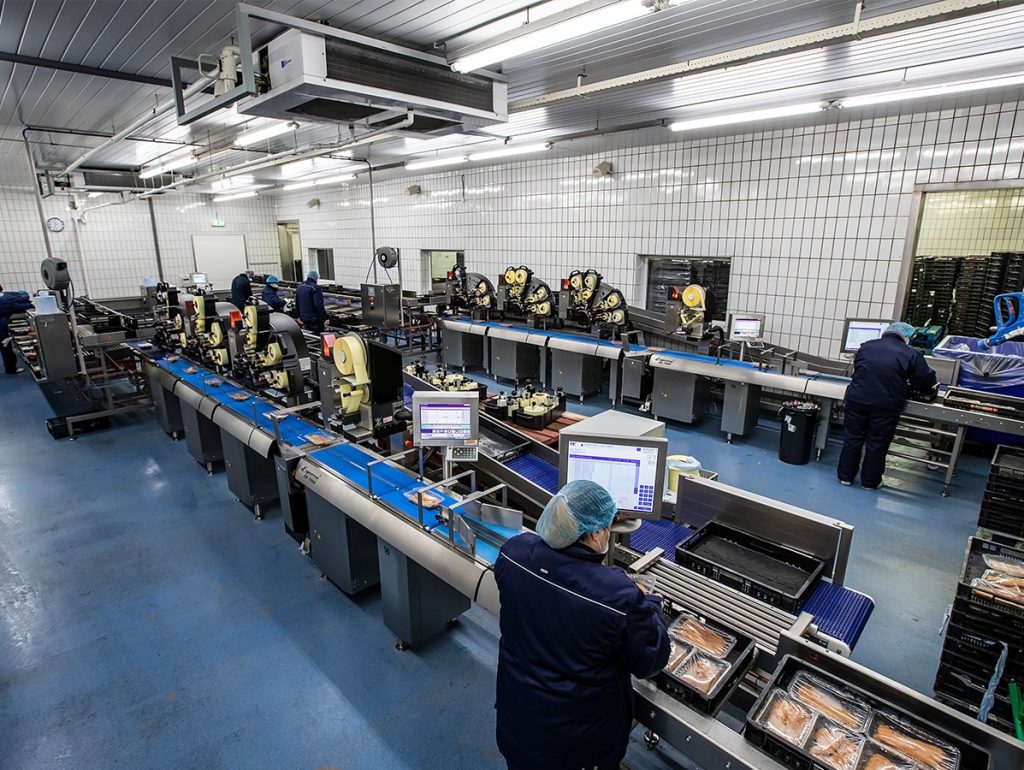
- Machine operation: Using specialized equipment in various stages of food processing.
The work of food processing factory workers ensures that South Koreans and consumers around the world have access to safe, delicious, and well-packaged food products.
Challenges in the Food Processing Sector
The South Korean food processing industry faces several manpower challenges that threaten its continued growth and success:
- Aging population: South Korea has one of the world’s fastest-aging populations, leading to a shrinking domestic workforce.
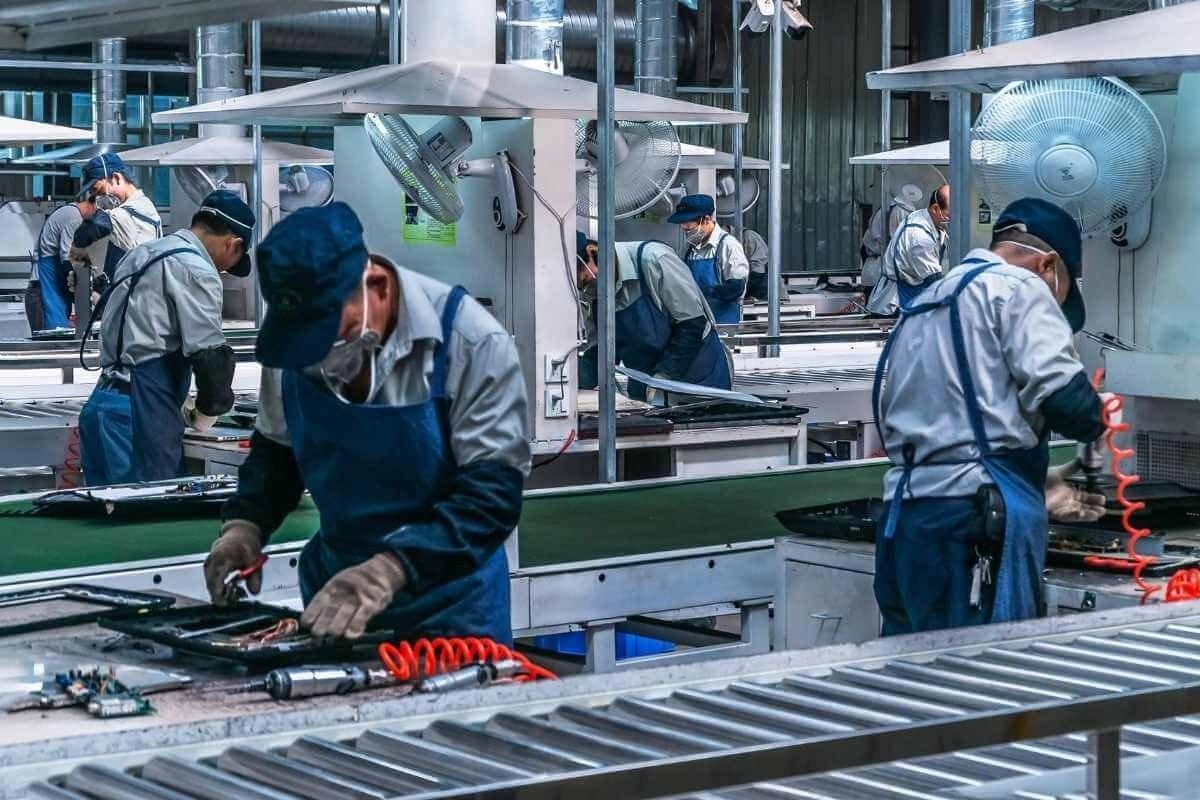
- Labor-intensive work: Food processing tasks are often physically demanding and repetitive, making them less attractive to younger generations.
- Evolving preferences: South Korean youth increasingly favor office jobs over those perceived as manual labor.
- Wage competition: Rising wages in other sectors make attracting workers to food processing more difficult.
These factors have created a critical labor shortage in South Korea’s food processing factories, hindering production and potentially impacting food supply chains.
Labor Importing as a Solution
To address the critical shortage of manpower, South Korea is actively seeking solutions. Labor importing, the practice of bringing in workers from foreign countries, has emerged as a vital tool to meet the workforce needs of the food processing industry.
The South Korean government has implemented several initiatives to facilitate labor importing, including:
- Employment Permit System (EPS): This program allows employers to hire workers from designated countries for specific industries, including food processing.
- Bilateral agreements: South Korea has established partnerships with countries in Southeast Asia to create reliable channels for foreign worker recruitment.
- Language and skills training: Programs are in place to provide foreign workers with the necessary language and job-specific skills for success in South Korea.
Benefits of Labor Importing for Food Processing
Labor importing provides several benefits to the South Korean food processing sector:
- Addresses manpower shortages: Importing workers fills critical gaps in the workforce, ensuring factories can continue to operate at full capacity.
- Maintains production levels: Consistent production output helps stabilize food prices and ensures the reliability of food supply chains.
- Stimulates economic growth: A thriving food processing sector contributes to South Korea’s overall economic well-being.
- Cultural exchange: Labor importing promotes cultural diversity and understanding.
Ethical Considerations and Best Practices
While labor importing offers advantages, it’s essential to prioritize ethical practices:
- Fair wages and working conditions: Foreign workers should receive equitable treatment and protection under South Korean labor laws.
- Transparency and accountability: Clear agreements and responsible recruitment agencies ensure worker protections.
- Integration and support: Programs to assist foreign workers with language learning, housing, and cultural adjustment foster a welcoming environment.
The Future of Food Processing Manpower in South Korea
The South Korean food processing industry is at a crossroads. To ensure its future success, a combination of strategies is required:
- Technology and automation: Investing in technology can automate certain tasks and reduce manpower reliance in the long term.
- Attracting domestic workers: Efforts to improve wages, working conditions, and emphasize career pathways can make food processing more appealing.
- Continued reliance on labor importing: Alongside other initiatives, labor importing will likely remain a crucial component of manpower solutions.
Related articles

Employee Empowerment with Quinn Vietnam Manpower
In today’s dynamic business landscape, organizations are increasingly recognizing the importance of employee empowerment as a key driver of success. Quinn Vietnam Manpower, a leading provider of manpower solutions in Vietnam, understands that empowered employees are more engaged, productive, and committed to organizational goals. This article delves into the concept of employee empowerment, exploring its…

Quinn Vietnam Manpower’s 5 Steps to Successful Coaching in 2025
In today’s dynamic business environment, maximizing your manpower’s potential is crucial for success. Effective coaching programs are key to unlocking this potential, fostering employee growth, and driving organizational performance. Quinn Vietnam Manpower, a leading provider of manpower solutions, presents a comprehensive guide to successful coaching in 2025. Whether you’re leading coaching sessions yourself or partnering…

Functional Skills: A Guide for Quinn Vietnam Manpower’s Workforce in 2025
In today’s competitive job market, possessing strong functional skills is more critical than ever. For Quinn Vietnam Manpower, equipping our manpower resources with these essential skills is key to their success and the success of our partner businesses. This comprehensive guide explores the importance of functional skills, particularly in Math and English, and how Quinn…
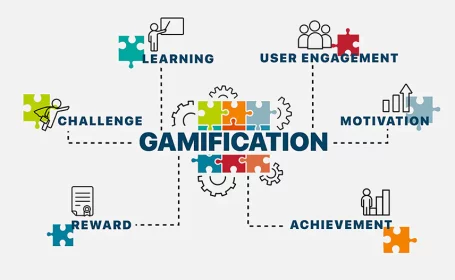
Level Up Your Workforce: Gamification Strategies for Quinn Vietnam Manpower
In the competitive landscape of Vietnam’s manpower industry, attracting, engaging, and retaining top talent is more critical than ever. Quinn Vietnam Manpower recognizes the power of innovative solutions, and gamification is emerging as a game-changer in the realm of human resources. By integrating game mechanics and elements into various HR processes, Quinn Vietnam Manpower can…

3 Communication Skills Every Manager Needs to Thrive
In today’s rapidly evolving business landscape, effective communication skills are more critical than ever for managers. Whether you’re a seasoned leader or newly promoted, honing your communication abilities can significantly impact your team’s performance, morale, and overall success. This article delves into three essential communication skills every manager needs to master in 2025 and highlights…

Harnessing the Power of Insights with Quinn Vietnam Manpower
In the dynamic landscape of 2025, where businesses face unprecedented challenges and opportunities, the ability to gain profound insights is more critical than ever. For project management (PM) in Vietnam, this rings especially true. Quinn Vietnam Manpower, a leading provider of manpower solutions, recognizes the crucial role of insights in driving project effectiveness and organizational…