
Understanding Equity: A Comprehensive Guide for Businesses in Vietnam
Date Submitted: 20/01/2025
Author: trienkhaiweb
Quinn Vietnam Manpower understands that navigating the financial landscape of business can be complex. One crucial concept that often arises is equity. This comprehensive guide will delve into the intricacies of equity, its importance, and how it differs from charter capital. Whether you’re an established enterprise or a budding entrepreneur, a firm grasp of equity is essential for informed decision-making and strategic planning in Vietnam’s dynamic business environment.
What is Equity?
Equity represents the residual value of a company’s assets after all liabilities have been deducted. In simpler terms, it’s the value that would be returned to shareholders if all the company’s assets were liquidated and all debts were paid off.
Equity serves as a long-term funding source for businesses, unlike loans that require interest payments. It’s a critical factor in determining a company’s financial health and market value. For businesses seeking to expand their operations or secure further investment, a healthy equity position is vital.
Quinn Vietnam Manpower recognizes the significance of equity in attracting and retaining top talent. A company with strong equity is often perceived as more stable and promising, making it an attractive employer for skilled professionals.
Components of Equity
Equity is composed of various elements, each contributing to the overall financial picture of a company:
- Shareholder’s capital: This is the most significant component, representing the initial investment made by shareholders when purchasing shares.
- Retained earnings: These are the accumulated profits that have not been distributed to shareholders as dividends. Reinvesting profits back into the business contributes to its growth and enhances equity.
- Reserves: Companies may set aside a portion of their profits as reserves to safeguard against future uncertainties or to fund specific projects.
- Share premium: When companies issue shares at a price above their par value, the excess amount is recorded as share premium.
- Asset revaluation: Changes in the fair market value of assets, such as land or buildings, can impact equity.
- Foreign currency translation differences: For companies dealing in foreign currencies, fluctuations in exchange rates can affect equity.
Quinn Vietnam Manpower emphasizes the importance of understanding these components to gain a holistic view of a company’s financial standing. By carefully managing each element, businesses can optimize their equity and enhance their financial stability.

Forms of Equity in Vietnam
Vietnam’s diverse business landscape accommodates various forms of equity, each with its own characteristics:
- State capital: In state-owned enterprises, the government provides the entire operating capital.
- Limited Liability Company: Equity is contributed by the co-founders of the company.
- Joint Stock Company: Capital is raised by issuing shares to the public or private investors.
- Partnership company: Partners contribute capital and share in the profits or losses of the business.
- Sole Proprietorship: The business owner provides the capital and bears full liability for the business’s debts.
- Joint venture: Capital is sourced from both domestic and foreign partners.
Quinn Vietnam Manpower assists businesses in understanding the legal and financial implications of each form of equity, facilitating informed choices that align with their business objectives and risk tolerance.
Calculating Equity
The fundamental formula for calculating equity is:
Equity = Total Assets – Total Liabilities
- Total assets encompass all resources owned by the company, including cash, accounts receivable, inventory, property, and equipment.
- Total liabilities represent the company’s obligations to creditors, including accounts payable, loans, and deferred revenue.
Quinn Vietnam Manpower can provide expert guidance on accurately assessing assets and liabilities to determine a company’s equity. This information is crucial for financial reporting, investment decisions, and overall business strategy.
Equity vs. Charter Capital
While both equity and charter capital relate to a company’s funding, they have distinct meanings:
- Equity represents the dynamic value of the owner’s stake in the company, fluctuating based on the company’s performance and asset valuation. It encompasses all components mentioned earlier.
- Charter capital is the initial amount of capital that shareholders commit to contribute when the company is established. This figure is fixed and recorded in the company’s charter. It represents the minimum amount of capital the company must maintain.
Key Differences:
| Feature | Equity | Charter Capital |
| Nature | Dynamic, reflects the current value of the owner’s stake | Fixed, initial capital commitment |
| Source | Contributed capital, retained earnings, reserves, etc. | Contributed capital by shareholders at the time of establishment |
| Flexibility | Can change over time due to profits, losses, and other factors | Generally fixed, requires legal procedures to change |
| Purpose | Reflects the overall financial health and value of the company | Provides a legal and operational foundation for the company |

Quinn Vietnam Manpower can help clarify the nuances of equity and charter capital, ensuring that businesses comply with legal requirements while making sound financial decisions.
Why is Understanding Equity Important?
A clear understanding of equity is vital for various reasons:
- Financial health: Equity provides a snapshot of a company’s financial strength and stability.
- Investment decisions: Investors often analyze equity to evaluate a company’s potential for growth and profitability.
- Lending decisions: Lenders consider equity as a measure of a company’s ability to repay loans.
- Business valuation: Equity plays a crucial role in determining the fair market value of a business.
- Strategic planning: Understanding equity helps businesses make informed decisions about expansion, mergers, acquisitions, and other strategic initiatives.
Quinn Vietnam Manpower provides valuable insights and resources to help businesses leverage their equity effectively, driving sustainable growth and success in Vietnam’s competitive market.
Quinn Vietnam Manpower: Your Partner in Business Success
In today’s dynamic business landscape, having a trusted partner can make all the difference. Quinn Vietnam Manpower offers a comprehensive suite of services to support businesses in Vietnam, including:
- Talent acquisition: We connect businesses with highly skilled professionals across various industries.
- HR consulting: Our experts provide guidance on HR best practices, legal compliance, and organizational development.
- Payroll and benefits administration: We streamline payroll processes and ensure compliance with Vietnamese labor laws.
- Training and development: We empower employees with the skills and knowledge needed to excel in their roles.
By partnering with Quinn Vietnam Manpower, businesses can access a wealth of expertise and resources to navigate the complexities of the Vietnamese market and achieve their business objectives.
Contact Quinn Vietnam Manpower today to learn more about how we can help your business thrive.
Related articles

Employee Empowerment with Quinn Vietnam Manpower
In today’s dynamic business landscape, organizations are increasingly recognizing the importance of employee empowerment as a key driver of success. Quinn Vietnam Manpower, a leading provider of manpower solutions in Vietnam, understands that empowered employees are more engaged, productive, and committed to organizational goals. This article delves into the concept of employee empowerment, exploring its…

Quinn Vietnam Manpower’s 5 Steps to Successful Coaching in 2025
In today’s dynamic business environment, maximizing your manpower’s potential is crucial for success. Effective coaching programs are key to unlocking this potential, fostering employee growth, and driving organizational performance. Quinn Vietnam Manpower, a leading provider of manpower solutions, presents a comprehensive guide to successful coaching in 2025. Whether you’re leading coaching sessions yourself or partnering…
Functional Skills: A Guide for Quinn Vietnam Manpower’s Workforce in 2025
In today’s competitive job market, possessing strong functional skills is more critical than ever. For Quinn Vietnam Manpower, equipping our manpower resources with these essential skills is key to their success and the success of our partner businesses. This comprehensive guide explores the importance of functional skills, particularly in Math and English, and how Quinn…
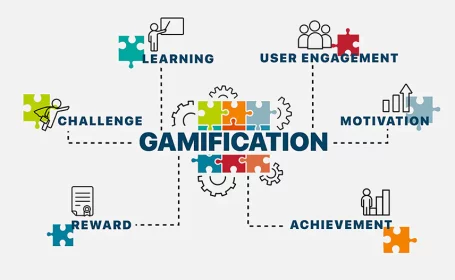
Level Up Your Workforce: Gamification Strategies for Quinn Vietnam Manpower
In the competitive landscape of Vietnam’s manpower industry, attracting, engaging, and retaining top talent is more critical than ever. Quinn Vietnam Manpower recognizes the power of innovative solutions, and gamification is emerging as a game-changer in the realm of human resources. By integrating game mechanics and elements into various HR processes, Quinn Vietnam Manpower can…

3 Communication Skills Every Manager Needs to Thrive
In today’s rapidly evolving business landscape, effective communication skills are more critical than ever for managers. Whether you’re a seasoned leader or newly promoted, honing your communication abilities can significantly impact your team’s performance, morale, and overall success. This article delves into three essential communication skills every manager needs to master in 2025 and highlights…

Harnessing the Power of Insights with Quinn Vietnam Manpower
In the dynamic landscape of 2025, where businesses face unprecedented challenges and opportunities, the ability to gain profound insights is more critical than ever. For project management (PM) in Vietnam, this rings especially true. Quinn Vietnam Manpower, a leading provider of manpower solutions, recognizes the crucial role of insights in driving project effectiveness and organizational…