


Understanding Transactional Analysis: A Guide for Quinn Vietnam Manpower
Date Submitted: 20/01/2025
Author: trienkhaiweb
In the realm of human resources and manpower management, understanding the dynamics of human interaction is paramount. Transactional Analysis (TA) offers a valuable framework for comprehending how individuals communicate and relate to one another. This article delves into the key concepts of TA, providing insights and examples relevant to Quinn Vietnam Manpower’s partners and clients in 2025.
What is Transactional Analysis?
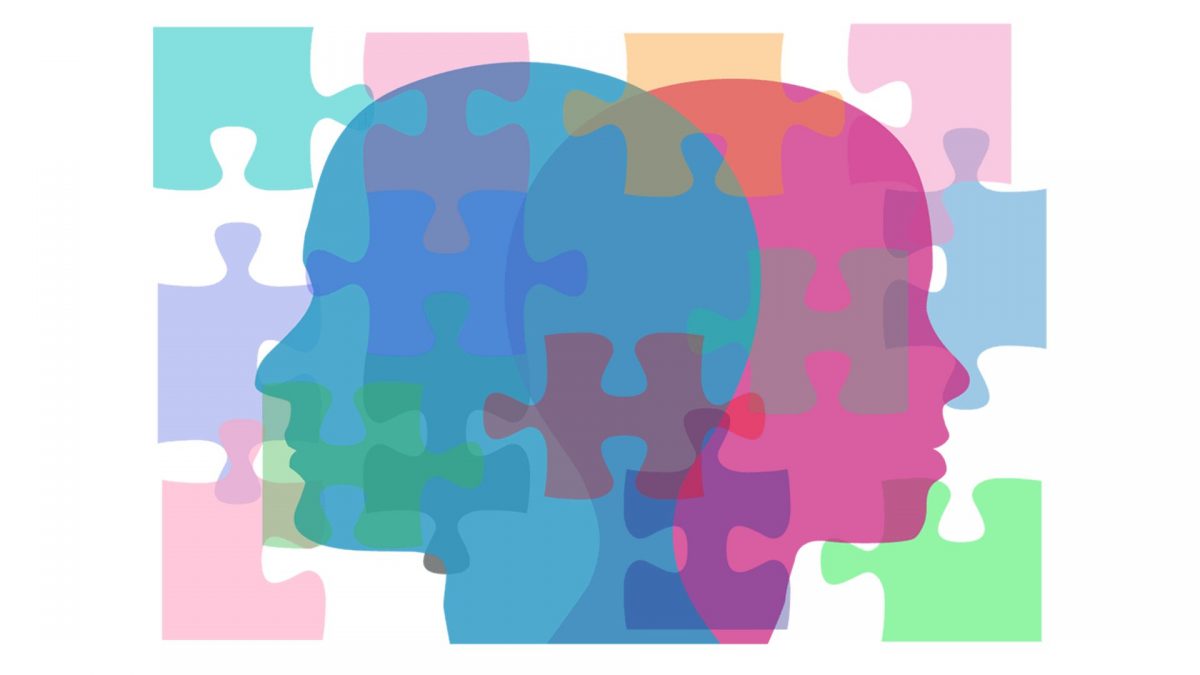
Transactional Analysis, developed by Eric Berne in the late 1950s, is a theory of psychology and communication that analyzes social interactions. It posits that individuals interact through a series of “transactions” involving different ego states: Parent, Adult, and Child. These ego states represent distinct patterns of thoughts, feelings, and behaviors learned throughout life.
Why is TA Relevant for Manpower Management?
TA provides valuable insights into:
- Communication Styles: Understanding ego states helps decipher communication patterns, identify potential conflicts, and improve interpersonal relationships within the workforce.
- Team Dynamics: TA can enhance team effectiveness by recognizing and addressing unproductive interactions, fostering collaboration, and promoting healthy communication.
- Leadership Development: TA equips leaders with the tools to analyze their own behavior and adapt their communication style to different situations and individuals, leading to more effective leadership.
- Conflict Resolution: By understanding the underlying ego states involved in conflicts, managers and HR professionals can facilitate constructive resolutions and prevent escalation.

The Three Ego States:
- Parent Ego State: This state reflects behaviors, thoughts, and feelings learned from parents or authority figures. It manifests in two forms:
- Critical Parent: Characterized by judgmental attitudes, rule-making, and a focus on “shoulds” and “oughts.”
- Nurturing Parent: Demonstrates caring, supportive, and empathetic behaviors.
- Adult Ego State: This state represents the rational, objective, and problem-solving aspect of an individual. It is focused on the present and gathers information to make informed decisions.
- Child Ego State: This state embodies the emotions and behaviors experienced during childhood. It has two sub-states:
- Adapted Child: Compliant, seeks approval, and avoids conflict.
- Free Child: Spontaneous, creative, and expresses emotions freely.
Transactional Analysis in Action: Examples for Quinn Vietnam Manpower
Let’s explore how TA can be applied in various workplace scenarios relevant to Quinn Vietnam Manpower’s manpower services:
- Performance Feedback: A manager providing feedback to an employee from the Critical Parent ego state might say, “You should have completed this task by now. You need to be more responsible.” This approach can trigger defensiveness in the employee. Instead, communicating from the Adult ego state, the manager could say, “I’ve noticed the task hasn’t been completed yet. Can we discuss any challenges you’re facing and how I can support you?”
- Team Collaboration: In a team meeting, an employee operating from the Adapted Child ego state might hesitate to share their ideas for fear of criticism. A leader recognizing this can encourage participation by creating a safe space for open communication and valuing diverse perspectives.
- Conflict Resolution: Two colleagues engaged in a conflict might be operating from their Child ego states, leading to emotional outbursts and unproductive arguments. A mediator trained in TA can help them shift to their Adult ego states, facilitating a calm and rational discussion to find a mutually agreeable solution.
- Customer Service: A customer service representative interacting with a frustrated client from their Parent ego state might respond defensively, escalating the situation. By remaining in the Adult ego state, the representative can listen empathetically, acknowledge the client’s concerns, and offer solutions effectively.
Quinn Vietnam Manpower: Integrating TA into Manpower Solutions
Quinn Vietnam Manpower recognizes the value of TA in enhancing communication, teamwork, and leadership within the workforce. We incorporate TA principles into our training programs and manpower solutions, equipping our clients and partners with the tools to:
- Improve communication effectiveness: By understanding ego states, individuals can tailor their communication style to foster positive interactions and build stronger relationships.
- Enhance team performance: TA promotes effective teamwork by facilitating constructive communication, resolving conflicts, and fostering a collaborative environment.
- Develop strong leadership: Leaders trained in TA can better understand their own behavior and adapt their leadership style to motivate and inspire their teams.
- Cultivate a positive work environment: By promoting healthy communication and interpersonal relationships, TA contributes to a more harmonious and productive workplace.
Quinn Vietnam Manpower: Your Partner in Manpower Solutions for 2025
As a leading provider of manpower solutions in Vietnam, Quinn Vietnam Manpower is committed to providing comprehensive and innovative services to our clients. We leverage our expertise in TA and other human resource management principles to help organizations build strong, engaged, and high-performing teams. Contact us today to learn how we can assist you with your manpower needs in 2025.
Related articles

Employee Empowerment with Quinn Vietnam Manpower
In today’s dynamic business landscape, organizations are increasingly recognizing the importance of employee empowerment as a key driver of success. Quinn Vietnam Manpower, a leading provider of manpower solutions in Vietnam, understands that empowered employees are more engaged, productive, and committed to organizational goals. This article delves into the concept of employee empowerment, exploring its…

Quinn Vietnam Manpower’s 5 Steps to Successful Coaching in 2025
In today’s dynamic business environment, maximizing your manpower’s potential is crucial for success. Effective coaching programs are key to unlocking this potential, fostering employee growth, and driving organizational performance. Quinn Vietnam Manpower, a leading provider of manpower solutions, presents a comprehensive guide to successful coaching in 2025. Whether you’re leading coaching sessions yourself or partnering…
Functional Skills: A Guide for Quinn Vietnam Manpower’s Workforce in 2025
In today’s competitive job market, possessing strong functional skills is more critical than ever. For Quinn Vietnam Manpower, equipping our manpower resources with these essential skills is key to their success and the success of our partner businesses. This comprehensive guide explores the importance of functional skills, particularly in Math and English, and how Quinn…
Level Up Your Workforce: Gamification Strategies for Quinn Vietnam Manpower
In the competitive landscape of Vietnam’s manpower industry, attracting, engaging, and retaining top talent is more critical than ever. Quinn Vietnam Manpower recognizes the power of innovative solutions, and gamification is emerging as a game-changer in the realm of human resources. By integrating game mechanics and elements into various HR processes, Quinn Vietnam Manpower can…

3 Communication Skills Every Manager Needs to Thrive
In today’s rapidly evolving business landscape, effective communication skills are more critical than ever for managers. Whether you’re a seasoned leader or newly promoted, honing your communication abilities can significantly impact your team’s performance, morale, and overall success. This article delves into three essential communication skills every manager needs to master in 2025 and highlights…

Harnessing the Power of Insights with Quinn Vietnam Manpower
In the dynamic landscape of 2025, where businesses face unprecedented challenges and opportunities, the ability to gain profound insights is more critical than ever. For project management (PM) in Vietnam, this rings especially true. Quinn Vietnam Manpower, a leading provider of manpower solutions, recognizes the crucial role of insights in driving project effectiveness and organizational…