


Why Do People Hate Their Jobs? The Role of Manpower in Job Satisfaction
Date Submitted: 12/02/2024
Author: trienkhaiweb
Are you among the countless workers who dread Mondays? With an ever-expanding array of career options, it’s not uncommon for people to change jobs multiple times throughout their lives. Job dissatisfaction is a powerful force behind this trend, often outweighing even financial motivations. So, why do so many people find themselves in jobs they dislike, and what role does optimal use of manpower play?
Feeling Trapped and Unfulfilled
The feeling of being stuck in a dead-end job is all too familiar. Days become a monotonous blur as you question your career choices and motivations. Research highlights the widespread nature of this issue – a staggering 71% of people admit to disliking their jobs. Why does this dissatisfaction run rampant in the modern workforce?
Several factors contribute to this widespread career unhappiness:
- Hasty Career Choices: Fresh graduates often accept the first decent job offer without thorough exploration. However, after years in the role, feelings of entrapment and a desire for change can surface. Switching careers can be daunting, and many individuals end up feeling stuck despite their dissatisfaction.
- Lack of Meaning and Passion: Jobs driven solely by financial gain often lack the spark of creativity and passion, leading to rapid disinterest. A sense of purpose and fulfillment is crucial for long-term job satisfaction.
- Work-Life Imbalance: Overly demanding jobs leave workers drained, compromising their ability to enjoy life outside of work. Sustainable manpower practices are needed to protect well-being and nurture employee loyalty.

Addressing Job Dissatisfaction: Manpower and Beyond
Merely recycling workers into careers they don’t enjoy isn’t a viable solution in a world increasingly focused on finding meaningful work. Passion is a critical driver of success in the face of relentless global competition. Without it, people face the agonizing choice between joblessness and the misery of an unfulfilling career.
So, what can be done?
- Empowering Leaders: When leaders inspire their workforce through sustainable work practices and by serving as positive role models, employees experience a surge in engagement, focus, and intention to stay with the company. Investing in leadership development can positively impact job satisfaction and manpower retention.
- Embracing Growth and Learning: Encourage employees to proactively seek new skills and cross-departmental knowledge. Injecting their existing roles with fresh perspectives and responsibilities not only combats monotony but also increases employee value. This focus on continuous growth empowers the manpower and revitalizes job satisfaction.

The Importance of Manpower Optimization
A crucial aspect of fostering a positive work environment is the careful consideration of manpower. “Manpower” refers to the workforce’s collective skills, abilities, and energy. Strategic manpower planning includes:
- Understanding Employee Strengths: Assessing where individuals shine brightest and placing them accordingly.
- Right-Sizing Workloads: Overwork leads to burnout. Distributing work evenly based on employee capacity is essential.
- Talent Development: Investing in upskilling and training enhances the manpower’s capabilities.
- Fostering a Learning Culture: This creates a manpower force that is adaptable and driven by curiosity.
Key Takeaways
It’s normal as professionals evolve to question career paths. Taking proactive steps and understanding the value of optimized manpower, both individuals and organizations can unlock greater job satisfaction, engagement, and productivity.
Related articles

Employee Empowerment with Quinn Vietnam Manpower
In today’s dynamic business landscape, organizations are increasingly recognizing the importance of employee empowerment as a key driver of success. Quinn Vietnam Manpower, a leading provider of manpower solutions in Vietnam, understands that empowered employees are more engaged, productive, and committed to organizational goals. This article delves into the concept of employee empowerment, exploring its…

Quinn Vietnam Manpower’s 5 Steps to Successful Coaching in 2025
In today’s dynamic business environment, maximizing your manpower’s potential is crucial for success. Effective coaching programs are key to unlocking this potential, fostering employee growth, and driving organizational performance. Quinn Vietnam Manpower, a leading provider of manpower solutions, presents a comprehensive guide to successful coaching in 2025. Whether you’re leading coaching sessions yourself or partnering…
Functional Skills: A Guide for Quinn Vietnam Manpower’s Workforce in 2025
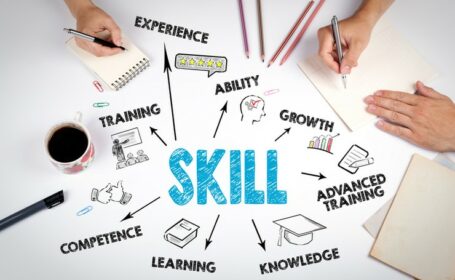
In today’s competitive job market, possessing strong functional skills is more critical than ever. For Quinn Vietnam Manpower, equipping our manpower resources with these essential skills is key to their success and the success of our partner businesses. This comprehensive guide explores the importance of functional skills, particularly in Math and English, and how Quinn…
Level Up Your Workforce: Gamification Strategies for Quinn Vietnam Manpower
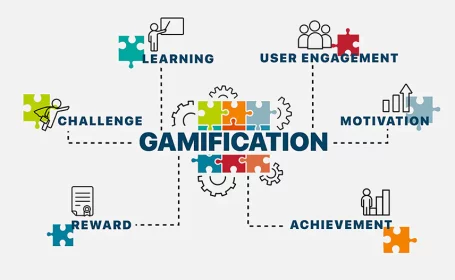
In the competitive landscape of Vietnam’s manpower industry, attracting, engaging, and retaining top talent is more critical than ever. Quinn Vietnam Manpower recognizes the power of innovative solutions, and gamification is emerging as a game-changer in the realm of human resources. By integrating game mechanics and elements into various HR processes, Quinn Vietnam Manpower can…

3 Communication Skills Every Manager Needs to Thrive
In today’s rapidly evolving business landscape, effective communication skills are more critical than ever for managers. Whether you’re a seasoned leader or newly promoted, honing your communication abilities can significantly impact your team’s performance, morale, and overall success. This article delves into three essential communication skills every manager needs to master in 2025 and highlights…

Harnessing the Power of Insights with Quinn Vietnam Manpower
In the dynamic landscape of 2025, where businesses face unprecedented challenges and opportunities, the ability to gain profound insights is more critical than ever. For project management (PM) in Vietnam, this rings especially true. Quinn Vietnam Manpower, a leading provider of manpower solutions, recognizes the crucial role of insights in driving project effectiveness and organizational…